



Humanitarian workers face rising conflicts in the Western Democratic Republic of the Congo, including Africanews.
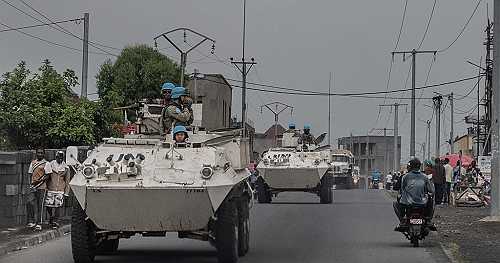 Humanitarian Workers on the Frontlines: The Rising Threats in Eastern DR Congo
As we navigate the complexities of global humanitarian crises, it's essential to shed light on the unsung heroes who risk their lives every day to provide aid to those in need. In eastern Democratic Republic of Congo (DRC), a region plagued by decades of conflict and instability, humanitarian workers are facing unprecedented threats that threaten not only their safety but also the delivery of critical assistance to vulnerable communities.
According to recent data from the UN's Office for the Coordination of Humanitarian Affairs (OCHA), December 2025 saw a staggering 48 incidents involving aid personnel in eastern DRC. This alarming trend is particularly concerning, as it marks a significant increase from November and highlights the escalating risks faced by humanitarian workers in the region.
The provinces of South Kivu and North Kivu are at the epicenter of this crisis, with half of all reported incidents occurring in South Kivu alone. These provinces have long been plagued by clashes between government forces, local militias, and armed groups vying for control of territory and resources. The consequences are dire: civilians and aid workers alike are caught in a precarious situation, with many facing movement restrictions, intimidation, threats, and even assaults.
The data paints a stark picture: most incidents involved burglaries, thefts, and break-ins, but the threat landscape is far more complex. Humanitarian workers are being forced to limit their travel, slow down operations, and navigate treacherous terrain to reach vulnerable communities. The consequences of these restrictions are far-reaching: millions of people caught in this long-running conflict are now harder to reach, exacerbating an already dire humanitarian situation.
North Kivu remains the most affected province in 2025, accounting for a staggering 46% of incidents. This is not surprising, given the shifting frontlines and high concentration of humanitarian activity in the region. The fragile security situation in eastern DRC is a stark reminder that aid organizations continue to operate under constant risk to support those in need.
As we reflect on these findings, it's essential to acknowledge the bravery and dedication of humanitarian workers who put their lives on the line every day. Their selflessness and commitment to delivering critical assistance are a beacon of hope in some of the world's most challenging environments.
However, it's also crucial to recognize that the rising threats facing humanitarian workers in eastern DRC are not just a local issue but have far-reaching implications for global humanitarian efforts. As we navigate the complexities of conflict zones, it's essential to prioritize the safety and security of aid personnel while ensuring that critical assistance reaches those who need it most.
In conclusion, the data from OCHA highlights the urgent need for increased support and protection for humanitarian workers in eastern DRC. We must acknowledge the risks they face and work towards creating a safer environment for them to operate. By doing so, we can ensure that aid reaches those who need it most, even in the most challenging of circumstances.
As we move forward, let us remember the words of Nelson Mandela: "The greatest glory in living lies not in never falling, but in rising every time we fall." Humanitarian workers in eastern DRC are indeed rising to the challenge, and it's our collective responsibility to support them in their mission to deliver hope and assistance to those who need it most.
Topic Live