



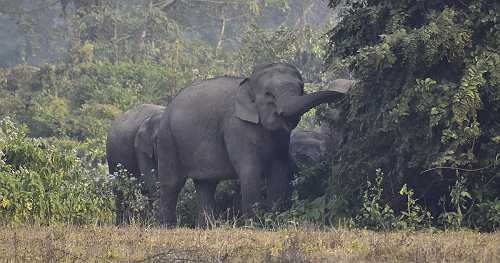
 Elephant on the Loose: A Devastating Rampage in India
Imagine waking up one morning to find a wild elephant rampaging through your village, leaving a trail of destruction and death in its wake. This is exactly what happened in the rural West Singhbhum district of Jharkhand, India, where a lone bull elephant has been on the loose for nine days, killing at least 20 people and injuring 15 others.
The rampage began in early January, sending shockwaves through the community as the elephant, estimated to be around 10 years old, made its way through the dense forests of Jharkhand. The usually shy animals are becoming increasingly aggressive due to rapidly expanding settlements and growing forest disturbance, including mining operations. This has led to a significant reduction in their habitat, with Asian elephants now restricted to just 15% of their original territory.
The elephant's rampage has left a trail of devastation, with children and the elderly among the dead. A professional elephant handler, known as a mahout, was also killed in the attacks. The villagers are living in fear, with over 20 villages affected by the elephant's actions. Many have abandoned their farms or barricaded themselves indoors at night, while others have been forced to flee their homes.
The Indian government has deployed search teams, aided by drones, to track down the elephant and put an end to its rampage. The teams are combing through dense forest tracts, including a national reserve in neighboring Odisha state. Despite multiple patrols in the area, the elephant had not been spotted since Friday, leaving officials concerned about its whereabouts.
The impact of this incident is not just limited to the immediate community. Hundreds of thousands of Indians are affected each year by crop-raiding elephants, which has become a major concern for the government and conservationists. The increasing contact between humans and wild animals is a result of habitat loss and fragmentation, leading to conflicts that can have devastating consequences.
As we reflect on this tragic event, it's essential to acknowledge the complex issues at play. Habitat destruction, human-wildlife conflict, and climate change are all interconnected problems that require a comprehensive approach to solve. By working together, governments, conservationists, and local communities can find solutions to mitigate these conflicts and protect both humans and wildlife.
The people of Jharkhand will not soon forget the terror they experienced at the hands of this rampaging elephant. As we move forward, it's crucial that we learn from this incident and work towards creating a safer coexistence between humans and wild animals. By doing so, we can ensure that such tragedies are avoided in the future and that both our communities and wildlife thrive.
In conclusion, the recent rampage by a lone bull elephant in Jharkhand is a stark reminder of the importance of conservation and habitat preservation. As we continue to grapple with the complexities of human-wildlife conflict, it's essential that we prioritize education, research, and community engagement to find lasting solutions. Only then can we hope to create a world where humans and wildlife coexist in harmony.
Topic Live