



Powerful Life in Ghana: a Study Of Africanews
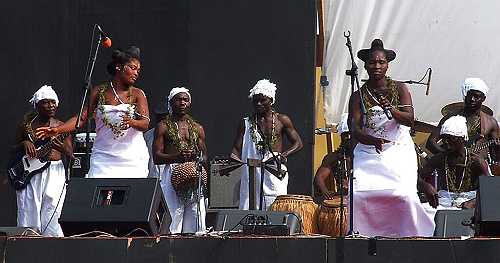 The Rhythm that Defines Ghanaian Life: Unpacking the Enduring Legacy of Highlife Music
In a world where musical trends come and go, there's one genre that has stood the test of time – Highlife music. Born out of the rich cultural heritage of Ghana, this vibrant sound has been an integral part of the country's identity for generations. As we delve into the fascinating story of Highlife, it becomes clear why it remains a beloved and enduring part of Ghanaian life.
For many Ghanaians, Highlife is more than just music – it's a reflection of their collective history, emotions, and experiences. "Highlife music tells our story," says Selina Doade, a proud Ghanaian who embodies the genre's emotional resonance. Whether you're feeling down or celebrating a triumph, Highlife has been there to provide comfort, inspiration, and joy.
The roots of Highlife date back to the early 20th century, when African musicians began experimenting with Western instruments and styles. Over time, this fusion of sounds evolved into a unique genre that captured the essence of Ghanaian culture. Today, Highlife is an integral part of daily life in Ghana – not as nostalgia, but as a living cultural heartbeat that continues to define what it means to be Ghanaian.
According to Osman Damba Tahidu, Secretary-General of the Ghana Commission for UNESCO, Highlife music reflects how Ghanaians express happiness, sadness, peace, and even luxury through music and dance. This genre has been passed down through generations, constantly reshaped by innovation and creativity. As a result, Highlife remains an authentic representation of Ghanaian identity – a true reflection of the country's rich cultural heritage.
What sets Highlife apart from other musical genres is its ability to transcend time and touch hearts. For listeners, the bond with Highlife music is deeply personal and emotional. "When you are down, when you are happy, when you need inspiration, Highlife is there," Selina Doade aptly puts it. This sentiment resonates with many Ghanaians who have grown up listening to Highlife – a testament to its enduring power and relevance.
As we celebrate the legacy of Highlife music, it's essential to acknowledge its significance in Ghanaian culture. In an era where globalization has led to the homogenization of musical styles, Highlife stands out as a proud example of cultural diversity and authenticity. Its continued popularity is a testament to the genre's ability to connect with people on a deeper level – a reminder that music has the power to transcend borders, languages, and generations.
In conclusion, Highlife music is more than just a genre – it's an integral part of Ghanaian identity, culture, and heritage. As we continue to celebrate this vibrant sound, let us remember its enduring legacy and the emotions it evokes in those who listen. For in the words of Selina Doade, "Highlife music tells our story" – a story that continues to inspire, comfort, and unite Ghanaians around the world.
Topic Live