



Trump Raises Tariffs on South Korea to 25% Amid Trade Deal Dispute
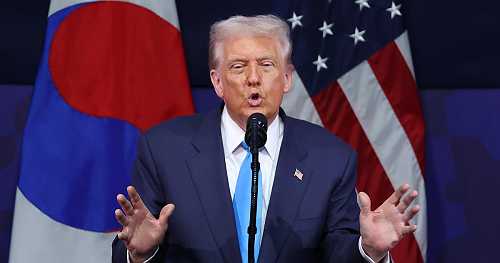 In a move that has sent shockwaves through global trade circles, President Trump announced yesterday that he is increasing tariffs on imports from South Korea to 25%. The decision comes as the two nations continue to negotiate a trade deal agreed upon last year. But what's behind this sudden escalation, and what does it mean for businesses and consumers on both sides of the Pacific?
A Trade Deal in Limbo
The dispute centers around a trade agreement reached between Trump and South Korean President Lee Jae-myung last year. Under the deal, the US would reduce tariffs on South Korean vehicles, car parts, pharmaceuticals, and other products from 25% to 15%. In return, South Korea was expected to invest $350 billion in key US sectors like semiconductors, shipbuilding, and biotech. However, the South Korean legislature has yet to approve the deal, prompting Trump's decision to raise tariffs.
A 10% Increase in Tariffs
The new tariffs will apply to a range of products, including automobiles, lumber, and pharmaceutical goods. The move is expected to impact South Korean businesses that rely heavily on exports to the US, with some estimates suggesting that the increased tariffs could cost the country's economy up to $1 billion annually. Trump's decision has also sparked concerns about the potential for retaliatory measures from South Korea.
A Supreme Court Ruling Looms
The US Supreme Court is set to rule on the legality of Trump's country-specific tariffs, which have been imposed under the International Emergency Economic Powers Act (IEEPA). If the court strikes down these tariffs, White House officials have hinted that they may turn to other powers to replace them. This could have significant implications for global trade and the ongoing negotiations between the US and South Korea.
The dispute over tariffs between the US and South Korea is a complex issue with far-reaching consequences. As the two nations continue to negotiate a trade deal, businesses and consumers on both sides of the Pacific are left wondering what the future holds. One thing is clear: the stakes are high, and the outcome will have significant implications for global trade and commerce.
Topic Live