



The Dark Side of Therapy: Why It May Not Be the Key to Happiness
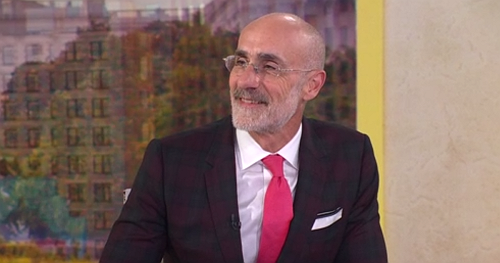 As more Americans seek help for depression and anxiety, a growing number of people are turning to therapy as a solution. But is it really effective in making us happier? According to Arthur Brooks, a renowned expert on happiness and well-being, the answer may surprise you.
The Rise of Mental Health Counseling
In 2024, one in seven Americans received mental health counseling or therapy, according to the CDC. This trend is not surprising given the increasing awareness about the importance of mental health. However, as Brooks points out, this surge in demand has also led to a proliferation of therapists and counselors who may not be equipped to provide effective treatment.
The Limitations of Therapy
Brooks argues that therapy is not a magic bullet for happiness. While it can certainly help individuals cope with their emotions and develop coping strategies, it may not necessarily lead to long-term happiness. In fact, Brooks suggests that some people may even experience a temporary decrease in happiness after starting therapy.
The Importance of Purpose and Meaning
So what does contribute to happiness? According to Brooks, it's not just about feeling good or avoiding negative emotions. Rather, it's about finding purpose and meaning in life. In his upcoming book, 'The Meaning of Your Life: Finding Purpose in an Age of Emptiness,' Brooks explores the importance of living a life with direction and significance.
In conclusion, while therapy can be a valuable tool for managing mental health, it's not a guarantee of happiness. As Brooks so eloquently puts it, 'happiness is not just about feeling good; it's about living a life that matters.' By focusing on finding purpose and meaning in our lives, we may find that true happiness is within reach.
Topic Live