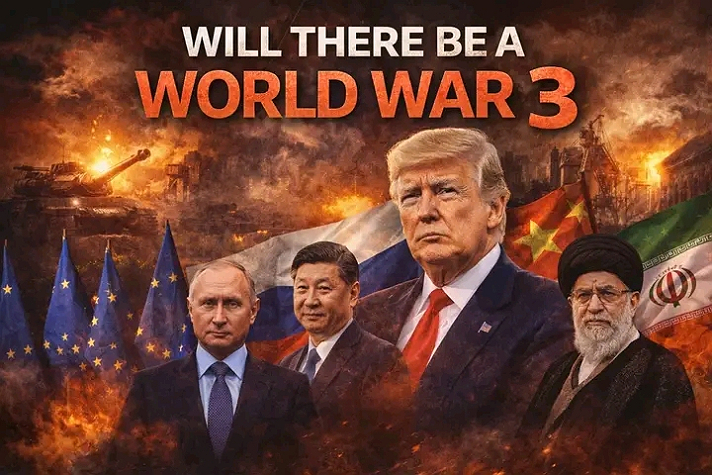



Will there be a World War 3?
With rising global tensions involving the United States, Russia, China, Iran, and the European Union, the question is no longer hypothetical—it’s part of everyday global discourse. Trade wars, regional conflicts, military alliances, and escalating rhetoric have pushed geopolitics into a dangerous phase.
From Ukraine and the Middle East to the South China Sea, flashpoints continue to test diplomacy. Leaders like Donald Trump have favored hardline policies, while rival powers respond with strategic counter-moves, reshaping the world order.
History shows that world wars don’t begin overnight—they build through miscalculations, ego clashes, and unresolved disputes. Whether the world steps back from the brink or moves closer to global conflict will depend on diplomacy, restraint, and the choices made today.
The world is watching. The stakes have never been higher.
With rising global tensions involving the United States, Russia, China, Iran, and the European Union, the question is no longer hypothetical—it’s part of everyday global discourse. Trade wars, regional conflicts, military alliances, and escalating rhetoric have pushed geopolitics into a dangerous phase.
From Ukraine and the Middle East to the South China Sea, flashpoints continue to test diplomacy. Leaders like Donald Trump have favored hardline policies, while rival powers respond with strategic counter-moves, reshaping the world order.
History shows that world wars don’t begin overnight—they build through miscalculations, ego clashes, and unresolved disputes. Whether the world steps back from the brink or moves closer to global conflict will depend on diplomacy, restraint, and the choices made today.
The world is watching. The stakes have never been higher.